






Our Gallery

Our Contacts

2/67 Gordon Avenue, south Granville NSW 2142

Read More

Solar Energy and Environmental Impact

The Environmental Benefits of Solar Energy

Solar energy is a clean, renewable source that reduces reliance on fossil fuels. By generating electricity without burning coal or gas, solar power lowers greenhouse gas emissions and mitigates climate change. It also reduces air pollution, contributing to healthier communities.

Widespread solar adoption has global environmental benefits. Large solar farms can supply clean energy to cities, industries, and remote communities. Combining solar energy with energy-efficient practices creates a sustainable lifestyle. Using solar panels for electricity, heating, or water pumping significantly decreases environmental impact, making solar an essential tool for a greener future.

“Harnessing solar power to reduce carbon footprint and create a cleaner, greener planet.”

Solar energy is one of the cleanest and most sustainable sources of power available today, offering a practical solution to reduce greenhouse gas emissions and combat climate change. Unlike conventional electricity generation from fossil fuels, solar power produces no air pollution or harmful carbon emissions during operation. By harnessing the sun’s energy, communities and industries can significantly lower their carbon footprint, contributing to cleaner air, healthier ecosystems, and a more sustainable planet. Beyond reducing greenhouse gases, solar energy minimizes water usage compared to coal or nuclear power plants, helping conserve vital water resources. Large-scale solar farms, rooftop installations, and off-grid systems provide renewable electricity to urban and remote areas alike, promoting energy equity while mitigating environmental degradation. As more individuals, businesses, and governments adopt solar solutions, the collective impact on reducing global carbon emissions becomes substantial, accelerating the transition toward a greener, more resilient future.

“Solar energy powers a cleaner planet while reducing carbon emissions and protecting natural resources.”

Brand Service Demands a Special Mindset

Delivering exceptional brand service goes beyond products—it requires a mindset focused on trust, consistency, and customer-first values. It means listening closely, adapting to unique needs, and creating experiences that strengthen long-term relationships while setting the brand apart.

Read More

Cities Must Show the Way Forward on Renewable

Cities are at the heart of energy consumption and innovation. By adopting renewable solutions like solar, wind, and green infrastructure, they can reduce emissions, inspire communities, and set an example for a sustainable future.

Solar panels on the roof. (Solar cell)

Partnering with Governments for Change

Working hand-in-hand with governments ensures faster adoption of renewable energy and sustainable practices. Through policy support, large-scale projects, and community programs, such partnerships drive real impact and create a cleaner, greener future for all.

Read More

Bringing Light to Remote Communities

Solar solutions bring reliable, clean energy to remote areas, replacing costly and polluting fuels. By powering homes, schools, and healthcare centers, they improve daily life and open doors to new opportunities.

Read More

Solar Parking Lot & EV Charging Station

A Solar Parking Lot & EV Charging Station offers shaded parking while generating clean energy to power electric vehicles. It reduces grid dependence, lowers carbon emissions, and supports a sustainable, future-ready infrastructure.

Read More

Solar Energy for Remote and Rural Areas

Powering Communities Without Grid Access


Many communities around the world, especially in remote and rural areas, lack access to reliable electricity. Solar energy provides an effective and sustainable solution to bridge this gap. Off-grid solar systems and microgrids can power homes, schools, healthcare facilities, and small businesses, enabling access to lighting, communication, and essential services. These solar solutions reduce dependence on diesel generators and other polluting energy sources, lowering both costs and environmental impact. By bringing electricity to areas without grid access, communities gain opportunities for education, economic growth, and improved quality of life. Solar-powered initiatives also foster local development by creating jobs in installation, maintenance, and management of energy systems. Ultimately, providing solar energy to off-grid communities helps empower people, promote sustainability, and drive equitable access to clean, reliable power across the globe.

Solar Solutions for Sustainable Development

Solar energy plays a crucial role in driving sustainable development across the globe. By providing clean, renewable electricity, solar solutions reduce dependence on fossil fuels, lower greenhouse gas emissions, and mitigate environmental degradation. Communities, businesses, and governments can adopt solar systems to power homes, schools, hospitals, and industries in an eco-friendly way. Beyond environmental benefits, solar energy supports economic growth by creating jobs in manufacturing, installation, and maintenance, and by reducing energy costs for households and enterprises. Solar solutions also empower remote and underserved regions, providing access to reliable energy that enhances education, healthcare, and local entrepreneurship. By integrating solar energy into development strategies, countries and communities can achieve sustainability goals while promoting a cleaner, healthier, and more equitable future for all.

“Bringing clean, reliable solar power to remote and rural communities for a brighter future.”


Remote and rural areas often face significant challenges in accessing reliable electricity, which can limit education, healthcare, and economic opportunities. Solar energy offers a sustainable and practical solution to bridge this gap. By installing off-grid solar systems, microgrids, and solar-powered community centers, these regions can gain consistent access to electricity without relying on expensive or polluting fuel sources. Solar solutions empower communities by lighting homes, powering schools and clinics, and supporting small businesses, thereby improving quality of life and promoting local development. Additionally, these systems are environmentally friendly, reducing carbon emissions and contributing to global sustainability goals. With ongoing advancements in solar technology and affordable implementation strategies, solar energy is transforming the lives of people in remote and rural areas, ensuring they are not left behind in the journey toward a greener, more equitable future.

Read More

The Future of Solar Energy

Trends Shaping the Solar Industry.


The solar industry is evolving rapidly, driven by technological innovations, policy support, and growing environmental awareness. Advanced photovoltaic (PV) cells are becoming more efficient, capturing more sunlight and converting it into electricity at lower costs. Emerging technologies like bifacial panels, thin-film solar, and building-integrated photovoltaics (BIPV) are expanding the versatility and applications of solar energy. Energy storage systems and smart inverters are enhancing reliability, allowing homes, businesses, and communities to store and manage electricity more effectively. Additionally, trends like decentralized solar grids, solar-powered electric vehicles, and hybrid renewable systems are transforming how energy is produced and consumed. Governments and corporations worldwide are investing heavily in solar, making it a central pillar in the transition to a sustainable, carbon-neutral future. These trends collectively indicate that solar energy is not just a supplement to traditional power — it is rapidly becoming a dominant force shaping the global energy landscape.

How Solar Will Transform Global Energy

Solar energy is poised to revolutionize the global energy landscape by providing a clean, renewable, and widely accessible alternative to fossil fuels. As technology advances and costs continue to decline, solar power is becoming increasingly viable for residential, commercial, and industrial applications. Large-scale solar farms, rooftop installations, and off-grid solar solutions are enabling countries to reduce their dependence on coal, oil, and natural gas, significantly cutting greenhouse gas emissions and mitigating climate change. The integration of solar energy with smart grids, battery storage, and decentralized energy systems allows for more efficient energy distribution, resilience against power outages, and increased energy security. Furthermore, widespread solar adoption can stimulate economic growth, create jobs in manufacturing, installation, and maintenance, and empower communities with reliable electricity. By harnessing the sun’s energy at scale, solar power is set to transform how the world generates, stores, and consumes electricity, paving the way for a sustainable, carbon-neutral future.

“By embracing solar power, we are not just generating electricity — we are building a sustainable, carbon-free future for generations to come.”


The future of solar energy looks brighter than ever as technological advancements, policy support, and global sustainability goals drive widespread adoption. Innovations in photovoltaic cells, energy storage systems, and smart grid integration are making solar power more efficient, reliable, and accessible for homes, businesses, and industries worldwide. As the cost of solar installation continues to decrease, more communities—including remote and underserved regions—can harness the sun’s energy to meet their electricity needs. Solar energy is also playing a critical role in reducing carbon emissions, combating climate change, and promoting environmental sustainability. Looking ahead, solar power is expected to become a dominant source of global electricity, transforming how energy is produced, stored, and consumed, and paving the way for a cleaner, greener, and more resilient energy future for generations to come.

Read More

Innovations in Solar Panel Technology

Advancements Shaping the Future of Solar Panels

Solar panel technology has evolved rapidly in recent years, making solar energy more efficient, affordable, and accessible than ever before. Modern photovoltaic (PV) cells convert sunlight into electricity with significantly higher efficiency, while anti-reflective coatings and advanced materials maximize energy absorption. Innovations like bifacial panels, which capture sunlight from both sides, and thin-film solar panels, which are lightweight and flexible, are expanding the applications of solar energy in rooftops, building-integrated systems, and portable devices. Additionally, smart inverters, energy storage solutions, and monitoring systems allow users to optimize energy production, track performance, and reduce waste. Research in solar technology is also focused on sustainability, with eco-friendly materials and recycling programs reducing the environmental impact of panel production. These innovations are driving the global adoption of solar energy, making it a practical, reliable, and transformative solution for powering homes, businesses, and communities.

“Solar energy is not just electricity; it’s a step toward sustainability and a greener planet.”

Innovations Driving Solar Technology

Advances in solar technology are making renewable energy more efficient and accessible than ever before. Modern photovoltaic cells capture sunlight more effectively, while innovations like bifacial panels and thin-film technology allow for flexible and versatile applications. Smart inverters, battery storage systems, and monitoring tools optimize energy production and ensure reliability. These technological advancements are accelerating solar adoption globally, making clean energy a practical solution for both residential and commercial needs.

Read More
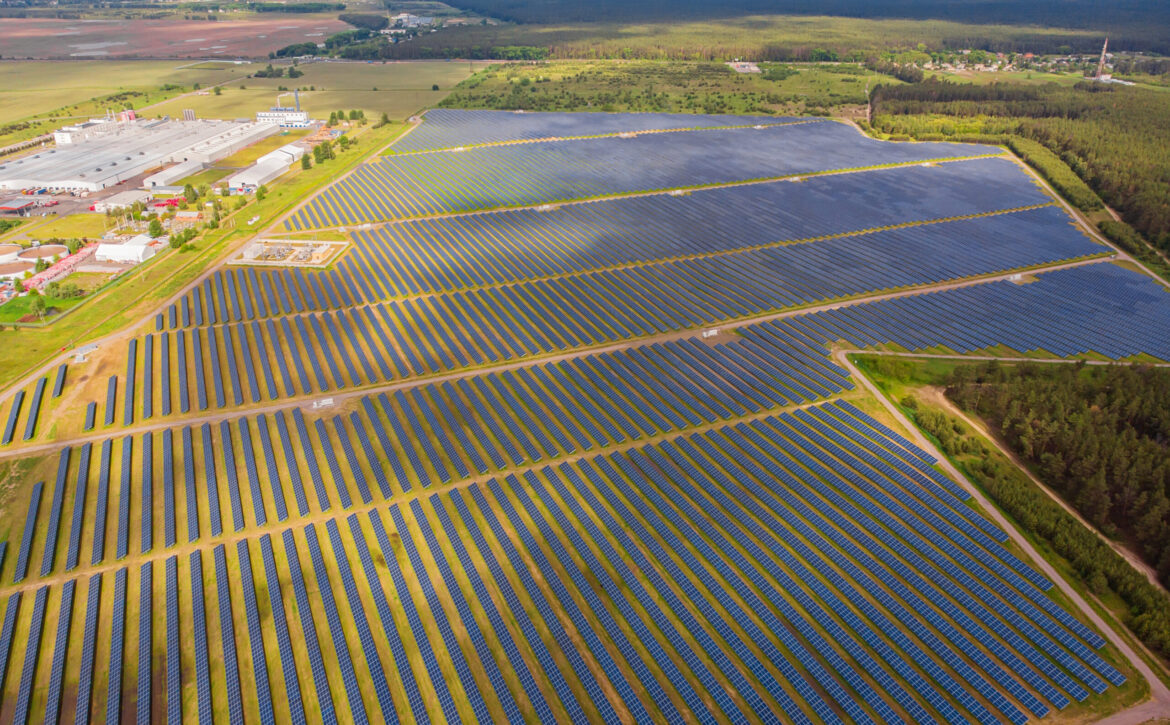
Solar power plant in the field. Aerial view of Solar panels.

SOLAR ENERGY

Solar energy is a clean, renewable, and limitless source of power harnessed from the sun. It reduces electricity costs, lowers carbon emissions, and creates a sustainable future by powering homes, businesses, and industries with green energy.