






Advancements Shaping the Future of Solar Panels
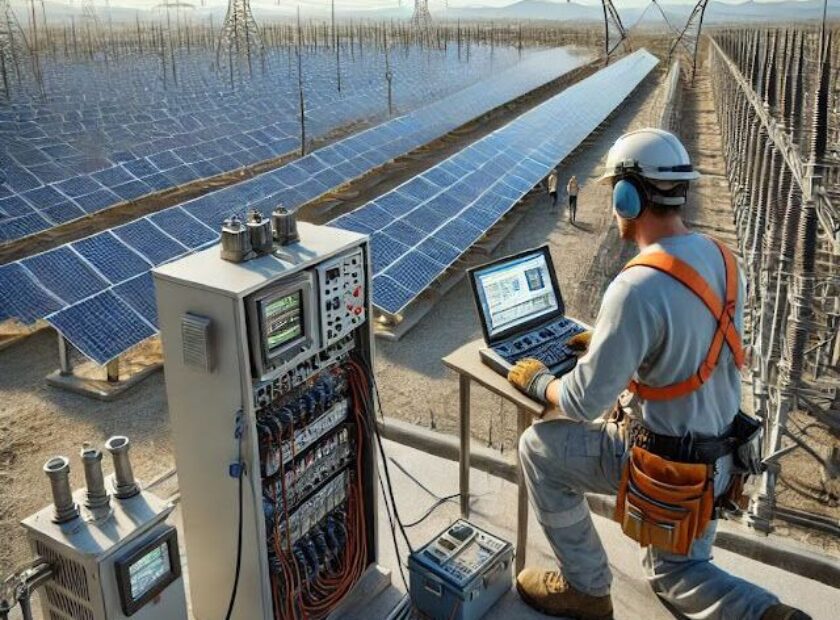
Solar panel technology has evolved rapidly in recent years, making solar energy more efficient, affordable, and accessible than ever before. Modern photovoltaic (PV) cells convert sunlight into electricity with significantly higher efficiency, while anti-reflective coatings and advanced materials maximize energy absorption. Innovations like bifacial panels, which capture sunlight from both sides, and thin-film solar panels, which are lightweight and flexible, are expanding the applications of solar energy in rooftops, building-integrated systems, and portable devices. Additionally, smart inverters, energy storage solutions, and monitoring systems allow users to optimize energy production, track performance, and reduce waste. Research in solar technology is also focused on sustainability, with eco-friendly materials and recycling programs reducing the environmental impact of panel production. These innovations are driving the global adoption of solar energy, making it a practical, reliable, and transformative solution for powering homes, businesses, and communities.

“Solar energy is not just electricity; it’s a step toward sustainability and a greener planet.”
Innovations Driving Solar Technology
Advances in solar technology are making renewable energy more efficient and accessible than ever before. Modern photovoltaic cells capture sunlight more effectively, while innovations like bifacial panels and thin-film technology allow for flexible and versatile applications. Smart inverters, battery storage systems, and monitoring tools optimize energy production and ensure reliability. These technological advancements are accelerating solar adoption globally, making clean energy a practical solution for both residential and commercial needs.